Artificial intelligence is becoming part of how students learn, complete assignments, create content and navigate everyday life.
For schools, AI literacy is no longer simply about teaching students how to use AI tools. Students also need to understand what AI can and cannot do, evaluate AI-generated information, think independently, and use AI safely, ethically and responsibly.
What AI skills do students need? How can teachers integrate AI into teaching? And how can parents support their children?
AI literacy means understanding the basic concepts, capabilities and limitations of artificial intelligence, knowing how to use AI appropriately, evaluating AI-generated information, and applying AI safely, ethically and responsibly.
Understand how artificial intelligence works, as well as its capabilities and limitations.
Use AI to support learning, creativity and real-world problem-solving.
Verify information and identify errors, hallucinations, bias and incomplete content.
Understand academic integrity, privacy, cybersecurity and AI ethics.
Continue to analyse, question and reflect rather than outsourcing the entire thinking process to AI.
Schools do not necessarily need to create a separate “AI subject” or launch a large-scale programme all at once.
A more practical approach is to gradually integrate AI literacy into student learning, teacher development and parent education.
Build students’ understanding, application, problem-solving and reflection skills through activities covering AI fundamentals, generative AI, coding, robotics, vibe coding, information literacy and AI ethics.
Ideal for schools looking to:
EDU A.I. Courses & Solutions:
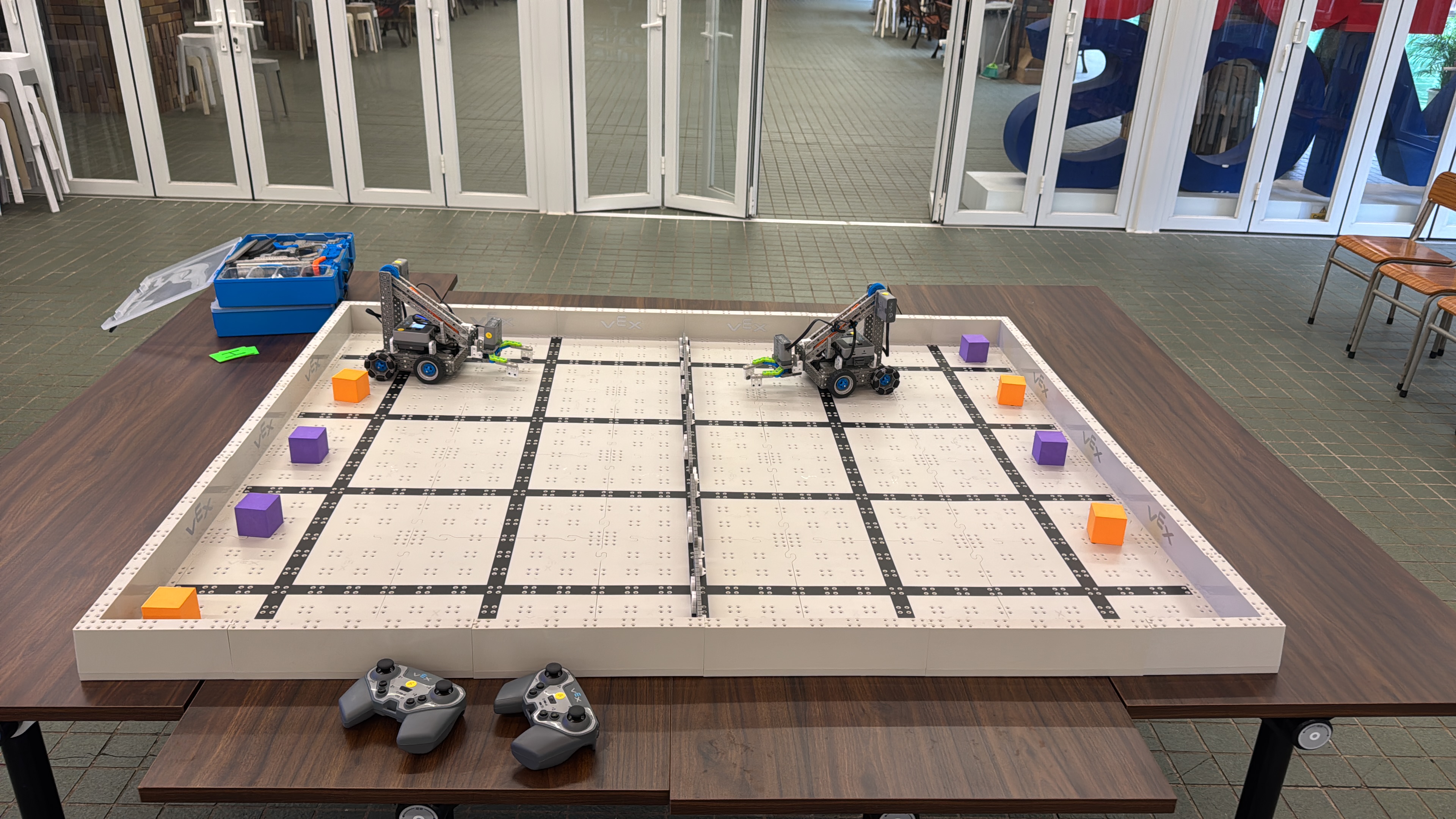
National Security & AI: UBTECH UGOT Defence Challenge →

AI & Future Planning Talks and Workshops →
Help parents understand how AI can affect children’s learning and thinking, while building more consistent expectations around AI use between home and school.
Ideal for schools that want parents to understand:
EDU A.I. Courses & Solutions:

AI Seminars and Workshops for Parents→
The key question is no longer simply, “What new AI tools are available?”
It is:“How can AI genuinely support my teaching?”
Ideal for schools that want teachers to explore:
EDU A.I. Courses & Solutions:

AI in Teaching Professional Development for Teachers→
Different schools can take different approaches depending on the needs of their students, teachers and parents.
Through an AI talk and hands-on workshop, parents explored appropriate boundaries for AI-assisted learning, AI ethics and safety, and ways to support their children’s learning.
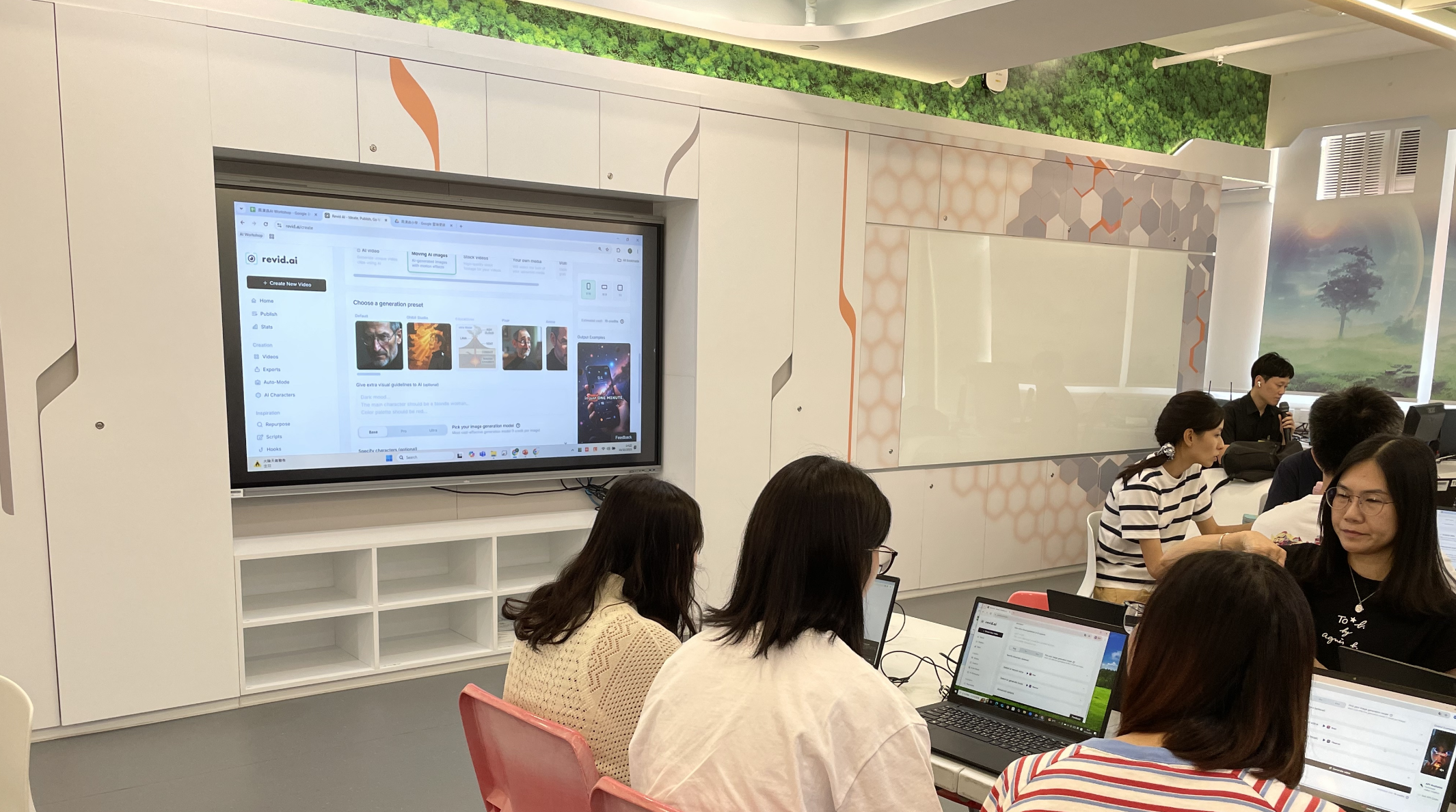
Through hands-on training, the principal, vice principals and teachers explored how AI could support lesson preparation, teaching materials, presentations, concept maps and other everyday teaching scenarios.
Key questions around education policy, student learning, academic integrity and teacher development.
Schools can plan AI literacy initiatives around students, teachers and parents, then make use of relevant funding programmes based on their school-based AI education objectives.
The Education Bureau published the AI Literacy Learning Framework for Primary and Secondary Schools in 2026.
The framework goes beyond teaching students how to use individual AI tools. It aims to progressively develop students’ AI-related knowledge, skills, values and attitudes, including:
Schools need to increasingly consider how to cultivate AI literacy in all students, promote "AI + Curriculum" initiatives, enhance teachers' AI capabilities, establish a school-based digital education strategy, and foster a culture of safe and responsible AI use through home-school collaboration.
Using generative AI is not automatically considered cheating.What matters is the purpose of the learning task and the boundaries set by the school and teacher.
For example, students may use AI to brainstorm ideas or better understand a concept.
However, submitting AI-generated answers directly as their own work may raise academic integrity concerns.
Rather than simply banning AI, schools can help students build better habits:
Think independently → Use AI → Evaluate the response → Verify the information → Revise and reflect
The goal is to teach students to use AI as a tool that supports thinking—not a replacement for thinking.
The Education Bureau has incorporated digital education into the professional development framework for teachers.
Schools can also tailor their approach based on practical teaching needs, such as lesson planning, instructional materials, assessment, AI-integrated subjects, and addressing issues related to students' use of generative AI.
Explore AI in Teaching Professional Development for Teachers→
Why choose EDU A.I.?
We don't just provide courses; we are your long-term partner in your school's AI transformation.
EDU A.I. is backed by Parami, an AI technology company with hands-on experience developing real-world AI solutions. We bring this technical expertise into education, helping schools and students apply AI in practical and meaningful ways.
From AI curricula and learning platforms to hardware integration, teacher training, and implementation support, we bring the key pieces together — reducing vendor coordination and making school-wide AI adoption easier to manage.
Our solutions support the Education Bureau’s direction for digital education, helping schools integrate AI across teaching, learning, assessment, and administration while building a stronger foundation for long-term digital transformation.